
Referral chain attacks are actually pretty simple when you know what to watch for. One fraudster creates dozens of accounts and has them all refer the next in line. They’re collecting bonuses every step of the way. Then there’s the promotional period problem, where bots wait for double-point windows and quickly run thousands of small transactions. They move fast enough that the rate limits can’t catch them in time. The standard security measures that most programs depend on just don’t work anymore. Email verification is easy to bypass. Phone checks are worthless, and standard CAPTCHAs might as well not be there. Phone numbers are free now with VOIP services, and fraudsters can get as many disposable contacts as they need. The average household has something like 18 different loyalty memberships, and most of these accounts just sit there dormant and unmonitored – it’s a massive attack surface that nobody is watching.
Account takeover attempts went up by 13% last year, and multi-accounting rose by 10% during that exact same timeframe. What makes these attacks especially frustrating is that fraudsters drain all of the points and abandon the accounts long before anyone realizes that something went wrong. Early detection is the only reliable defense against this fraud. You have to flag that very first suspicious transaction and also closely monitor every redemption that follows.
Let’s talk about how to protect your reward programs from abuse right from the beginning!
Common Security Flaws That Enable Fraud
Reward programs become fraud targets from day one. The fraudsters already know which vulnerabilities they want to exploit. Most of these programs share the same fundamental security gaps, and criminals have perfected their methods for these exact weaknesses.
Account farming is one of the most common scams I see. A single fraudster will create dozens or hundreds of fake accounts just to grab the same sign-up bonus again and again. Every account gets a slightly different email address, and the personal information is different enough to slip past detection. Before you know it, one of these operations has already cost your program thousands of dollars in fraudulent bonuses.

Secondary markets make the whole fraud ecosystem even worse for businesses. The points and rewards that cost you actual money to hand out are ending up on sketchy websites where fraudsters sell them for cash. A criminal might rack up 50,000 points through fake referrals and then immediately dump them online for quick money. Another person then buys those rewards at a massive discount, and you’re the one who loses money on each end of the transaction.
Automation has also turned fraud into a science, and it’s become scary efficient. The bots are creating synthetic identities that actually pass most verification checks. These fake profiles are filled out with social security numbers that validate correctly and credit histories that look normal. Your standard verification systems probably won’t flag them because the bots have learned just what those systems are checking for.
The launch periods are when reward programs get hit the hardest. The criminals absolutely love it when businesses roll out generous promotional bonuses to bring in new customers! The fraudsters will connect referral after referral in long chains to multiply their rewards. Or they’ll combine multiple promotions in ways your team never intended. Traditional fraud detection usually misses these attacks because the criminals are turning your own promotional features against you.
How Modern Identity Verification Works
Account verification has changed quite a bit from the old days, when all you needed was a working email address and you were ready to go. The scammers can buy thousands of fake email accounts and phone numbers for nothing, and that’s why verification systems have to be way more sophisticated now – and they have to manage it without driving away genuine customers in the process.
Device fingerprinting is one way that businesses can recognize the same computer or phone even when someone’s using different account information. The technology examines dozens of different attributes on a device, everything from screen resolution to the fonts you have installed and builds a one-of-a-kind profile from all that data. So when the same device suddenly creates ten different accounts under ten different names, the system knows straight away that something weird is going on.
Behavioral biometrics go even deeper than device tracking because they actually measure the way that users type on their keyboards and move their mice around the screen. Every person has their own unique rhythm and pattern when they’re filling out online forms. Scammers who are cranking out hundreds of fake accounts usually work way faster than a normal customer would, and the system picks up on that difference pretty fast.

A lot of businesses are now requiring government ID verification whenever they see high-value reward claims or accounts that look suspicious for other reasons. The verification technology can check the documents in just a few seconds, and it’ll catch even pretty convincing fakes. The problem is that you’ll also lose more users who’ll just give up and leave with every extra verification step that you add. It turns out that asking for ID verification can make as many as 40% of users abandon their sign-up completely.
That’s why progressive verification has become a pretty smart strategy. You can start everyone off with just the initial security checks, and then you only add extra requirements when something actually seems risky. A customer who wants to claim a $10 discount might breeze right through. If that same account suddenly tries to redeem thousands of dollars in rewards, though, then you can ask for more proof.
Phone verification seemed to be pretty reliable for a while. But it’s definitely not enough on its own anymore. Scammers can grab temporary numbers from VOIP services pretty easily, or they’ll just buy old recycled numbers that used to belong to actual customers.
AI Tools That Find Suspicious Patterns
Reward programs generate massive amounts of customer data each day, and while most businesses are great at collecting this information, very few of them actually know how to use it effectively to catch fraud in real-time. Modern AI tools have changed the game because they can pick up on suspicious patterns that it would take a human analyst weeks or months to discover.
Normal customer behavior follows fairly predictable patterns if you look into the data. A typical customer might redeem their points once a week, or maybe they’ll splurge and use them twice if there’s a big sale going on. 20 redemptions in three minutes from accounts scattered across different states, though, means somebody has obviously figured out a way to exploit your system. Nobody is that enthusiastic about your brand, no matter how great your rewards are.
These patterns become very obvious when you know what to look for in the data. Real customers take their time on your website because they’re actually shopping. They’ll browse through different product pages, maybe check out some reviews, compare a few options, and usually act like humans do when they’re spending money. Fraudsters move through websites at inhuman speeds because, well, they’re usually not human at all. Their bots click through the exact same sequence of buttons in the exact same order, and they do it faster than any real person ever could.

A strong detection system needs to track dozens of different data points simultaneously. Device fingerprinting helps identify if a user is on their usual laptop or some random computer they’ve never used before. Network analysis can catch proxy servers and VPNs quickly. Transaction history lets you see if this activity matches what this customer normally does. When these different data points start to contradict one another, that’s a strong indicator that something suspicious is happening with the account.
Legitimate customer behavior never stays the same for long, and this makes fraud detection particularly hard. Black Friday shopping patterns look nothing like what you’d see on some random Tuesday afternoon in March. Machine learning algorithms are great at this exact challenge because they continuously adapt and learn what suspicious actually means based on the shopping behaviors and seasonal patterns.
Built-in Security for Your Reward Program
Reward programs can be pretty resistant to abuse if you set them up the right way from the very beginning. The trick is to make fraud attempts more work than they’re worth for scammers.
Verification thresholds should always match up with the reward value that you’re giving. A $5 discount probably doesn’t need a whole lot of verification steps. When a customer tries to redeem thousands of points for a free flight, though, that’s where you should add some extra identity checks into the process. Normal customers won’t even see the difference, and the fraud attempts will just hit a brick wall.
Velocity limits are another effective approach that I see work well. You might let customers redeem rewards 3 times per week, maximum. Or maybe they can only claim one major prize each month. These boundaries seem fine to regular customers because they space out their purchases over time anyway. Fraudsters hate velocity limits, though, because they need to cash out fast and then disappear. Point expiration dates work in a pretty similar way. If points expire after 12 or 18 months, the fake accounts become much less worthwhile to scammers. Regular customers usually use their points pretty regularly anyway. At the same time, fraudsters just aren’t interested in playing the long game like that.
Your tier progression system is going to need time requirements and activity requirements if you want it to actually work. A scammer might try to make 50 transactions in a single week. If reaching gold status takes 90 days, though, those fake accounts suddenly become worthless. The waiting period drives the fraudsters crazy, but the genuine members who plan to stay for the long haul anyway won’t even care.
There’s one major mistake that you want to stay away from, though. Program policies should never change overnight without warning! Sudden changes create absolute chaos and cause a spike in abuse attempts. Everyone rushes to exploit the old system before it goes away. A much better way to go is to roll out changes slowly over the course of a few weeks. Your customers get time to adjust, and you can also watch for any unusual activity patterns in the meantime.
Natural Ways to Stop Bot Abuse
Your reward program needs to actually get customers to participate, and that’s where most businesses drop the ball. They end up with programs that bots can breeze through in just a few seconds, while regular customers don’t even know that the program exists.
Bots have zero tolerance for delay. They can’t create original or helpful content either. A smart strategy is to design your program around these two weaknesses.
Time delays work very well at deterring bot activity. You can ask users to wait 3 days between some reward activities, and it works like magic. A bot that needs to manage thousands of fake accounts isn’t going to sit around and babysit each one for weeks on end. At the same time, your regular customers won’t even care about the wait because they’re not trying to exploit your system in the first place.
Another great tactic is to ask customers to write detailed reviews or answer open-ended questions about their experience with your products. Bots are terrible at creating natural answers that actually make sense in context. One outdoor retailer that I worked with managed to cut abuse by 80% just by requiring a 50-word product review to earn bonus points. The beautiful part was that their genuine customers were already writing reviews anyway!
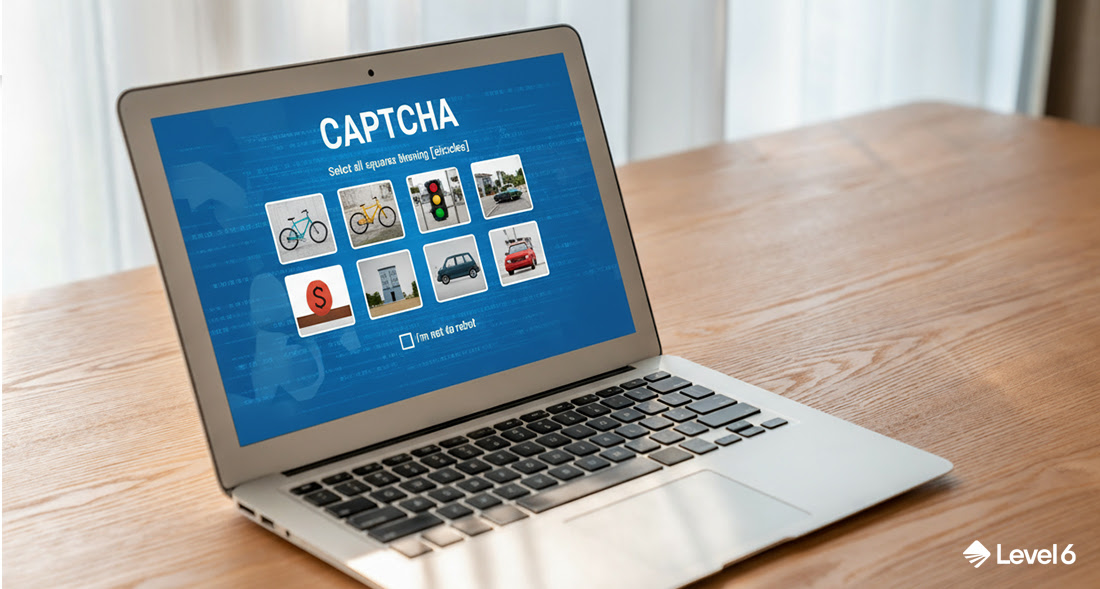
Modern CAPTCHAs have become pretty advanced and don’t even ask you to find traffic lights or crosswalks anymore. They monitor how you move your mouse across the screen and how long it takes for you to respond to prompts. Some of them also analyze your browsing patterns before you ever reach the challenge itself. The technology behind it is actually quite fascinating.
Balance is what matters most with these loyalty programs, and it takes some effort to get it right. Customers won’t jump through ten different hoops just to save a few dollars on their next order. Savvy retailers build their security requirements right into the activities that legitimate customers already like doing. Social media shares for extra points go over well every time. Profile completion bonuses work great, too. Quick product preference polls can help quite a bit when businesses need that extra layer of verification.
Level Up Your Incentives and Rewards
The smart strategy here is to start small with protections that nobody will ever see or complain about. You could set up simple identity verification and pattern tracking first, and these can run quietly in the background without anyone even realizing they’re there. Then you can layer on more protections over time based on the actual fraud patterns that you see in your program. It makes much more sense than trying to build a massive security system when a simple one would have done the job just fine. Most of your legitimate customers are never going to know that these protections are there, and that’s perfect. You want to make fraud and abuse very hard for the bad actors, as your genuine customers continue to have a smooth and pleasant experience.
Once you get the balance between security and user experience, everything about your program gets better. Your rewards program will become more generous and worth more for the legitimate customers because you’re not losing large amounts of money to fraudsters month after month. You won’t have to always cut back on rewards just to make up for fraud losses. You can make your benefits even better for your genuine customers. The relief alone is worth every penny, because you finally know your rewards are going to the customers who have actually earned them.

Level 6 helps businesses rethink their reward programs. We partner with businesses and help them to get their sales teams performing better, make their employees happier and design custom incentive programs that drive actual results. What we bring to the table includes everything from branded debit cards and employee recognition programs to sales incentive structures, and each program we create fits your business needs and goals just right. The programs that we build deliver measurable results with ROI that you can also track and prove.
Contact us for a free demo, and we’ll show you the ways that we help high-performing businesses get the most out of their sales teams!