
Distributors have a pretty tough balancing act on the inventory side. Ordering too much product means all that cash gets tied up in stock that’s just sitting there in the warehouse, and some of it might even go obsolete before it sells. Ordering too little means that you’ll lose out on sales and frustrate both suppliers and customers at the same time. To make matters even harder, manufacturers push distributors to hit bigger and bigger volume commitments each quarter. This creates tension in the relationship between manufacturers and distributors and can wear on everyone involved over time.
The way manufacturers structure their incentive programs makes all the difference. The key difference is whether distributors earn rewards just because they placed a large order or based on what actually moves off the shelves. Sales incentive programs that are designed well usually generate an average sales increase of around 22%. Most businesses will allocate between 5% and 15% of their total sales revenue to distributor programs. But they hardly ever measure which approach actually delivers sustainable growth over time.
Distributors who get stuck with the wrong incentive setup will accumulate way too much inventory that just sits there. Their cash gets locked up in products that won’t move, and they’ll lose money when they have to mark everything down or write it off completely. On the manufacturer side, it gets nearly impossible to tell what’s actually selling anymore, and the distribution channels get bloated with products that never make it to the customers. The choice between these two incentive methods has a big effect on everything from warehouse costs to credit lines to how well you can predict what the market wants. That decision determines if everyone in the supply chain can build a business model that stays profitable for years to come.
Let me talk to you about these two incentive types so you can choose the right one!
How the Two Rebate Systems Work
Sell-in incentives reward your distributors based on the orders they place with you. If a distributor orders 1,000 units from your warehouse, that order is what qualifies them for the rebate. The incentive ties directly to that order, and that’s all that matters for them to earn it.
The payment structure is pretty flexible on your end. You could give them either a flat dollar amount per unit, or you can base it on a percentage of the total order value (whichever makes more sense for your business). A $2-per-unit sell-in rebate on an order of 1,000 units would earn them $2,000 on that order. The rebate payment gets sent out fairly fast once the order is finalized and confirmed.
Sell-through incentives work a pretty different way, and the main difference is all about timing and what gets measured. A distributor might still order 1,000 units from you right at the start, and they’ll pay for the full order just like they normally would. The rebate amount only gets calculated based on what they manage to sell during the program period. Maybe they move 800 units out to their customers in that quarter (well, that’s the number the rebate is going to be based on) – not the full 1,000 they bought.

This model makes the math a little trickier because you have to track two separate movements instead of just one. Your distributor still made that first order of 1,000 units. But the rebate calculation actually has to wait until those products make it out to the end customers. With that same $2-per-unit rate based on a sell-through model, the distributor would walk away with $1,600 instead of the full $2,000.
Each rebate type sets up a different timeline for when the money actually moves from one account to another. Sell-in rebates get processed pretty fast because the rebate is tied directly to that first order transaction. Sell-through rebates take much longer to finalize since the whole process relies on the sales data coming in from the distributor. Distributors have to send over reports that show what they’ve actually sold to their own customers, and the rebate payment can finally get processed once those numbers come in and get verified.
The trigger point is going to matter in the way that your distributors think about their inventory. With one model, distributors get paid as soon as they agree to carry your products on their shelves – no selling is needed. With the other model, their commission is based on how much they end up selling to end customers.
How These Models Affect Your Cash Flow
Revenue recognition works very differently between these two models, and it matters for cash flow. Sell-in is the simpler arrangement from a financial standpoint. Manufacturers receive their payment as soon as the product ships out of their warehouse. Once those items leave the facility, the transaction is done. That revenue gets recorded straight away, so it shows up on their books right then.
Distributors face a lot of financial pressure on their end. All that inventory needs to be paid for upfront, well before a single unit gets sold to any of their customers. A distributor may need to cover 3 months’ worth of stock just sitting in a warehouse somewhere, so a lot of cash is tied up in products (or they’re racking up credit) just to make sure everything stays in stock and available.
Manufacturers can’t count their revenue right when they ship the products out – they have to wait until the distributor actually sells those items to end customers. The money won’t show up in their financial statements for a while because of this delay, so they need to have a bit of patience with their cash flow.

Distributors benefit far more from this model, though. Payment happens as sales come in, so there’s no need to put up all of the cash right from the start. It gets a whole lot easier to keep track of cash flow when the money coming in lines up pretty closely with what’s going out.
Your relationship with your bank changes quite a bit depending on which model you go with. With a sell-in model, distributors need to line up much bigger credit lines from their banks because they have to pay for all that inventory right from the start. Banks want to see that you manage that float period (that’s the difference between buying stock and getting paid by customers). Sell-through arrangements make it much easier to negotiate favorable terms with your bank because you’re not carrying nearly as much financial exposure on your balance sheet.
The Hidden Costs of Channel Stuffing
The pharmaceutical industry deals with this exact issue all of the time. Distributors order massive quantities of product to qualify for incentives, and then they have to work out how to sell through all that inventory before expiration dates become a problem. Auto parts suppliers face a similar challenge when distributors place very large orders to capture their rebates. But then the market changes when new vehicle models get released, and suddenly they’re holding onto parts that don’t move nearly as fast as they expected.
Technology products have an even worse version of this problem. A laptop or smartphone that sits in the warehouse for 6 months will lose value very fast, and by the time it finally gets to a customer, newer models are already on the market. Distributors have to slash prices just to free up warehouse space and cut into the profit margins for everyone involved.

The costs add up in multiple ways. Warehouse space costs money every day that the product sits there. Insurance, moving products around, and the capital tied up in unsold inventory – it all cuts into your profits. Storage costs can take what looked like a smart deal and turn it into one that actually loses you money.
Sell-through programs work differently and manage to sidestep all these problems because they reward sales to the end customers instead of just moving the products from one place to another. Inventory levels stay much closer to what customers are actually buying, and everyone in the supply chain stays protected from the problem of excess stock they can’t unload.
What Technology Does Each Method Need
Sell-in is actually pretty simple and doesn’t need much to get started. It works just fine with basic buying orders and whatever tracking methods you already have in place at your business. You’ll just need to place an order with your distributor and record the transaction in your system, and that’s it. Most businesses don’t need a whole lot of infrastructure or special software to make it happen.
Sell-through is going to need way more technology behind it to work the way you want. Point-of-sale integration gets pretty important here because you’ll have to capture each transaction right as it happens. Your inventory management systems have to be able to connect to one another across your different locations and stay updated constantly. And on the distributor side, they’ll need to have compatible systems in place that communicate with whatever reporting tools you’re working with.
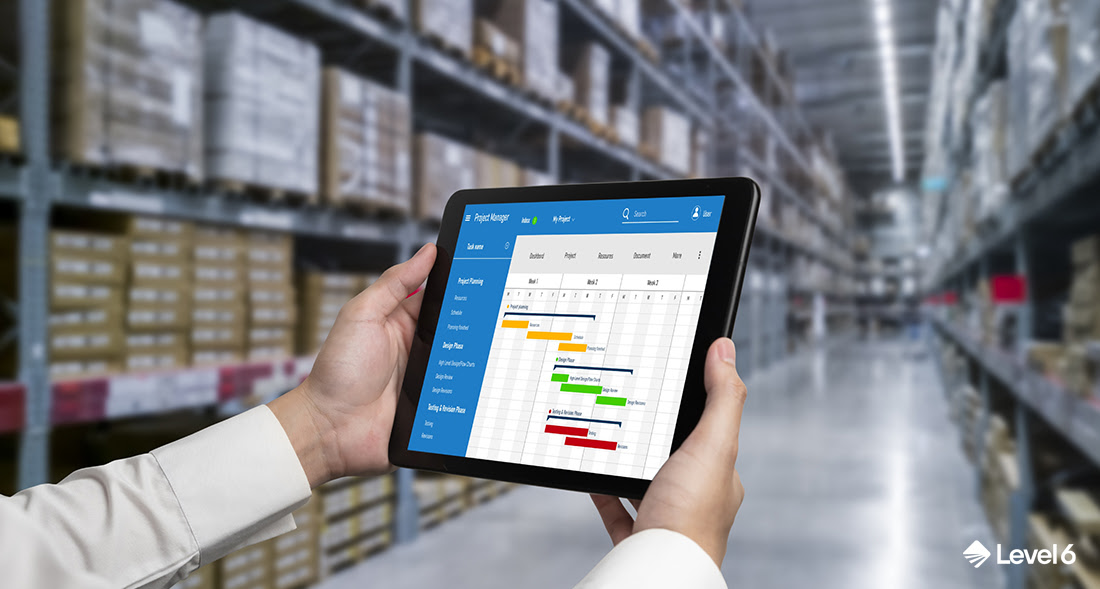
Businesses like Coca-Cola have spent millions of dollars to build out this type of infrastructure, and they’re seeing real value from it. They’ve installed IoT sensors in their vending machines and coolers, and they can track how much inventory is left at any given time. The sensors send real-time data back to a main system automatically, so nobody on their team needs to go count products by hand or fill out inventory reports manually. This gives them a live view of what’s actually selling as it happens instead of having to wait weeks or months for a sales summary to land on someone’s desk.
This type of technology isn’t cheap to build out, and the costs add up fast. First, there’s the hardware itself to pay for, and then you also have the software licenses on top of that. Your IT team will also need to integrate everything with the systems you already have in place, and that takes time and adds even more to the bill.
Technology has improved quite a bit over the last few years, and it’s made verification way less of a headache than it used to be. Blockchain tools are especially good in this area because they can create permanent records of each sale, and once a transaction is recorded, nobody can go back and change it after the fact. Automated contracts are another tool – they can automatically trigger incentive payments the second that sales targets are hit without any manual intervention needed. What this actually means is that there’s much less busywork involved on your end, and it gets nearly impossible for anyone to tamper with the numbers or manipulate the data to their benefit.
These two models depend on different technologies, and that means the time it takes to get everything up and running is going to change quite a bit. Sell-in is pretty simple – you can get started tomorrow as long as you have basic accounting systems already in place. Sell-through takes way longer, though. We’re talking about a few months to get it configured correctly across your whole distributor network.
How to Combine Both Incentive Models
Most businesses don’t choose between sell-in and sell-through incentives – they’ve found that a hybrid model tends to work well in practice. A common way to set this up is with a tiered structure where distributors earn a baseline rebate on everything they buy from you, and they get extra bonuses when they actually sell through those products to their customers. Distributors get something predictable they can count on. But there’s also a built-in motivation to move your inventory through their channels faster.
Your best bet is to set up benchmarks that push your distributors to do better. But without creating a lot of new problems for yourself in the process. When the sell-through targets are too high or unrealistic, distributors will drop their prices dramatically just to hit that deadline before time runs out, and that’s not helpful for anyone involved. On the flip side, when the bonus is way too easy to hit, it won’t motivate anyone or create any sense of urgency at all. What seems to work well for most suppliers is to shoot for something close to the normal inventory turnover rates in your particular category and then add just a little bit of stretch to it. That extra push tends to get inventory moving faster, and it doesn’t make the goal feel out of reach.

The time of year is going to matter a lot in how you set these windows. A company selling winter coats is going to need different timeframes than a company selling shelf-stable groceries. When you’re in peak season, and demand is through the roof, you can afford to shorten that sell-through window because distributors are going to move the products fast. In the slower months when inventory just sits on the shelves for longer, it makes sense to extend that window and give everyone more breathing room. What this does is it keeps your incentive structure lined up with actual market conditions – not working against them.
The best compensation plans give distributors a fair amount of predictability without letting them off the hook for actual performance. Distributors want to feel confident that they’ll make money just for committing to your products and giving up the warehouse space to stock your inventory. A hybrid model does both as long as you design it with real intention behind the specifics.
Level Up Your Incentives and Rewards
More companies across different industries are adding sell-through parts to their incentive programs, and it’s a large change in how incentives work. The tracking technology has improved quite a bit over the past few years, and what matters just as much is that it’s become far more accessible to manufacturers of all sizes. What this actually means is that manufacturers can finally get visibility into what is going on with customers instead of only seeing what ships out to their distributors. When they have access to the data, they can build incentive programs that reward market performance and still give distributors credit for the important role they play in bringing products to market. As the technology continues to advance and become even more available, we’ll probably see this trend pick up even more momentum.
Artificial intelligence and predictive analytics are about to change how manufacturers and distributors approach these decisions in meaningful ways. Each side can see patterns that they’d miss on their own, predict customer demand with much better accuracy and build incentive programs that respond to market conditions as they develop. Channel incentives over the next few years will be far more flexible and customized for individual partners compared to what we’re working with right now, and it creates genuine opportunities for partnerships where everyone actually comes out ahead.

Level 6 helps take your business to the next level through a full range of incentive programs. Need to improve your sales team’s performance, or maybe employee morale and happiness matter to your company? We have the experience and the right tools to make it happen. Our programs include branded debit cards, employee rewards and recognition programs and custom sales incentive programs. These are designed around what your business actually needs to succeed. We put our energy into programs that make a genuine difference in your organization and deliver measurable results that you can track and prove over time. Contact us for a free demo, and we’ll show you how we help high-performance businesses maximize their ROI and sales performance.