
Reward programs lose roughly $48 billion each year to fraud, and the scams become more advanced and dangerous every few months. These attacks rely on automated bots to open thousands of fake accounts, and the criminals have become skilled at using family-pooling features to wash stolen points through transactions that look completely legitimate. Making it worse is that most firms’ detection tools just can’t match how fast the crooks switch their tricks. They’ll spend months building believable account histories and going through the program terms until they find the perfect hole to exploit.
Most companies running loyalty programs see fraud levels of about 7 to 12 percent, and as that might look acceptable in a spreadsheet, the cost adds up. Account takeovers have already hit roughly 24 million U.S. households, and made-up identities now drive about one-fifth of all credit losses. Signup bonuses and referral offers are the usual targets, and by the time most firms see something’s wrong, the harm is done.
Six detection methods can reduce your losses by 60-80 percent in the first year, and each one matters. Sign-in checks and synthetic-identity tools work with cross-industry intel networks to create defenses that actually handle these attacks.
Let’s talk about some ways to plug these tools into your program so you can guard members’ points without making their experience harder or more annoying.
How Modern Fraudsters Beat The System
Fraud has become very crafty. Criminals can now fire up automated bots that create thousands of fake accounts in minutes. These synthetic accounts are convincing enough to slip right past most basic security systems. Once fraudsters have these fake identities set up, they use them to rack up massive amounts of points and rewards without ever legitimately earning any of them.
Family pooling features are simple targets for these criminals. They move the stolen points across their web of fake accounts and make all that fraudulent activity look completely legitimate. Loyalty programs have built-in trust for family transfers, so there’s usually no extra verification needed when the points move between related accounts.
Marriott Bonvoy’s 2024 breach shows just how serious this problem has become. Criminals used something called credential stuffing to compromise 4.5 million member accounts. They took passwords leaked from other data breaches and systematically tested them against Marriott’s login system. It worked because users reuse the same passwords across multiple sites, and these fraudsters know just how to exploit that predictable habit.
Modern fraud has become very hard to detect because criminals have learned the value of patience. Security experts call it “slow-burn fraud,” and it’s exactly what it sounds like. These fraudsters don’t grab everything they can and run – they spend months slowly and quietly building legitimate-looking account histories. Small redemptions here and regular transactions there – all designed to fly under the radar of automated detection systems.
Believe it or not, today’s fraudsters approach loyalty programs with the dedication of graduate students. Every terms and conditions document gets pored over for possible vulnerabilities. Plenty of them even join legitimate member forums and communities, learning directly from real customers about redemption strategies and program oddities. Over time, they develop an encyclopedic knowledge of which activities will trigger security alerts and which ones will slide by unnoticed.
Traditional fraud detection systems are completely outmatched by this new breed of criminal. Old-school systems designed to flag unusual account behavior become useless against attacks that are this slick. If your security system is only watching for sudden, massive point transfers, it’s never going to catch a crook that has the patience to wait six months before making their move.
How AI Learns to Spot Fraud
Artificial intelligence can catch fraud patterns that would probably take a human analyst weeks or even months to piece together. Modern fraud detection systems are always watching millions of different data points around the clock. They’re keeping track of when loyalty program members log into their accounts, how they move through the website, and even how fast they cash in their rewards points.
These systems work well because they first learn what normal customer behavior actually looks like across thousands of legitimate accounts. Once they have that baseline established, they can pick up on activities that just don’t seem right. Some loyalty programs have caught entire fraud operations when their systems flagged dozens of accounts that were all moving through the website in identical patterns. Typical customers don’t browse and click through pages the way programmed robots would.
Fraud prevention systems are effective at catching behaviors that seem completely innocent on their own. A loyalty program member might suddenly want to cash out their points while logged in from a timezone they’ve never been to before. Another red flag is those robotic clicking patterns – that mechanical behavior that humans don’t do. All these little warning signs get picked up as the software starts connecting the dots.
Sometimes these systems do get it wrong and flag legitimate customers by mistake, though. Business travelers might fly to Japan and decide to book a hotel upgrade with all their points from their Tokyo hotel room. All that unusual timezone activity raises a red flag quickly in the fraud detection system. Loyalty programs have to walk a careful line between keeping accounts safe and not frustrating their best customers.
These fraud detection systems actually get better over time, and this is positive news. Every time investigators verify that they caught actual fraud (or see they made a mistake), the artificial intelligence learns something helpful about how criminals act versus how legitimate customers behave. It continuously updates itself and gets better at telling the difference between actual threats and false alarms. Each successful case makes the next detection more precise at catching the bad guys, as it leaves honest customers alone.
How Systems Detect Fraud in Seconds
Fraud detection technology needs to be lightning fast. Businesses are now looking at more than 100 different warning signs in just a few milliseconds. Behind the scenes, fraud detection checks details like your device’s fingerprint and if your IP address has a bad reputation – it also examines how fast transactions happen and if the locations actually make sense. This background work finishes by the time you see that “transaction approved” message on your screen.
Every single red flag gets assigned a set number of points that create one combined score. A device that magically shows up in three different countries within the same hour bumps your score up by 40 points. An IP address that’s been connected to fraud in the past could add another 30 points. After these points get tallied, the next step is decided automatically. Sometimes your transaction gets approved immediately. Other times, you’ll need to verify your identity, and in the worst cases, the whole transaction just gets shut down.
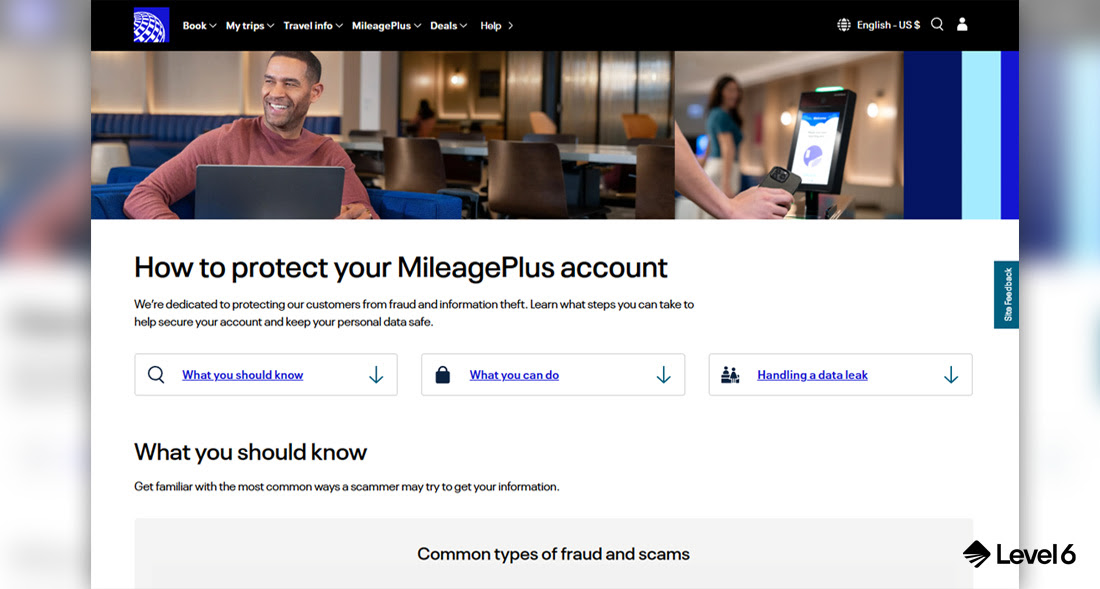
United’s MileagePlus program is a great example of how well this works. After they started rolling out microsecond threat evaluation back in 2023, their fraud losses dropped by 67%, with money saved and customer accounts that stayed protected.
They’ll test dozens or even hundreds of accounts simultaneously to find the weak points in your system. If your detection system takes 30 seconds to flag something suspicious, they’ve already moved on and are trying to break into other parts of your rewards program like wildfire.
Security shouldn’t frustrate your legitimate customers – that’s the real challenge. Nobody wants to wait five minutes just to redeem points for a hotel stay they’ve earned fair and square. Smart systems adjust how strict they are based on factors like transaction value and the member’s history. A longtime member who wants to redeem 5,000 points for a basic gift card will have a much smoother experience than a person with a brand-new account who suddenly tries to book ten international flights.
How Companies Add Extra Security Steps
Modern reward programs have started trying out what’s called step-up authentication instead. Behind it is a simple concept. Low-stakes actions like checking your existing point balance or browsing available rewards need minimal verification from you. Suddenly choosing to redeem 50,000 points for a flight to Tokyo – well, that’s when the system is going to ask for extra proof that you’re actually who you claim to be.
Starbucks took this whole concept even further last year. They rolled out facial recognition technology for any redemption that goes over $100. That might sound a bit extreme. This starts to make more sense once you see just how many accounts get hacked specifically for those stored gift card balances. Last year’s Hilton Honors breach obviously shows why passwords alone just don’t work anymore in today’s environment. Hackers managed to steal 23 million account credentials from a third-party data leak. Many customers reuse the same passwords across multiple sites, so one single breach can hand over the keys to everything else that they have access to.
Plenty of businesses are starting to use behavioral biometrics as another way to improve their security. This technology watches patterns like how fast you type your email address and tracks the exact way you move your mouse cursor around the screen. Each person has unique movement patterns, and bad actors find it extremely hard to copy them convincingly enough to bypass the system.
Finding that balance between security and convenience for their customers is the big challenge for any company. It turns out that roughly 18% of legitimate users will give up on their transactions once the authentication process gets too messy or time-consuming. Nobody wants to jump through five different security hoops just to redeem a free coffee or a small reward. Programs that ask members to verify their recent purchases work the best for everyone involved. You’re going to remember what you bought yesterday or last week. A fraudster who has gained access to your account probably doesn’t have that information.
How Programs Detect Fake Accounts
Synthetic identities represent some of the worst reward program fraud out there, and once you learn how they work, it gets pretty obvious why they’re a total nightmare for most businesses. These accounts look legitimate enough to pass the standard verification checks, but in reality, they’re just clever combinations of stolen information that fraudsters have pieced together from different sources. Criminals will usually grab a real Social Security number and then match it with completely made-up names and fake mailing addresses to build these customer profiles.
It gets even more disturbing when you look at where these Social Security numbers come from in the first place. Children and deceased people are perfect targets for the scheme because there’s usually nobody actively keeping an eye on their credit files on a regular basis. A criminal can hijack a child’s SSN and use it for years without anyone catching on. Once someone finally finds the problem, the damage has already spread across multiple reward programs and sites. Today, these synthetic accounts are responsible for about 20% of all credit losses in the industry. Most reward programs frustratingly never even catch them because the verification systems that we’ve been relying on for years just weren’t designed for this particular type of fraud. These fake accounts manage to slip through the cracks and start collecting signup bonuses and referral rewards long before anyone realizes that there’s no real customer behind the account.
Detection systems now have to become much sharper if they want to catch these synthetic identities before they cause real damage. They’ll cross-check information from credit bureaus against public records and even social media profiles and look for inconsistencies that don’t add up. An adult with zero credit history will raise red flags fast, and the same thing happens with a single address that’s somehow connected with dozens of other questionable accounts. Timing is the trickiest part of this whole process. Programs can either try to find synthetic identities when the accounts get created, or they can wait and catch them later by watching for weird behavior. Most successful programs have realized they need both methods to be working at the same time. Early detection stops the quick losses from signup bonuses, and behavioral analysis helps catch the ones that make it past the early screening. Programs have also started sharing data about these fraud patterns with one another because criminals love reusing the same synthetic identity across multiple platforms.
Fraud detection works much better when businesses team up instead of fighting these battles alone. Airlines and hotels might compete fiercely for your business day in and day out. Fraud prevention is where even the biggest rivals wind up working together.
American Airlines doesn’t guard their own program and moves on when it catches a fraud ring in action. They actually share those behavioral patterns with partners like Hyatt and Hertz through safe networks. These other players get anonymized signatures that help them catch the same fraudsters before any serious damage can happen. Fraudsters can’t simply pack up their operation and move to the next program like they used to.
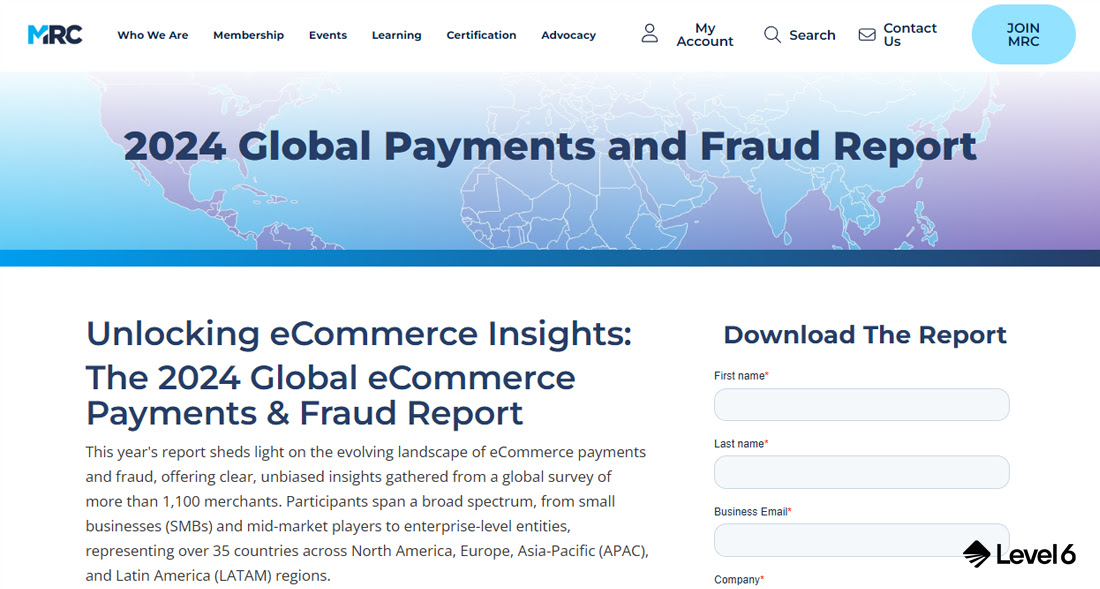
Data from the Merchant Risk Council shows just how strong it is – their collaborative network prevented $1.2 billion in losses across different industries in 2024 alone – hard cash saved just because firms chose to work together.
Privacy stays protected in these partnerships, and that’s obviously a big deal. Businesses use differential privacy and other technical protections to share fraud patterns without ever exposing any customer data. Your personal information stays completely protected as the fraudulent signatures move freely between programs.
Smaller loyalty programs actually benefit the most from these networks. A regional airline probably doesn’t have the resources to build advanced fraud detection all on its own. Through these consortia, though, they get access to the same intelligence that protects big carriers. Large programs receive early warnings about new fraud techniques that usually start in smaller markets first.
A few networks have started turning to blockchain to build permanent records of confirmed fraud patterns. Once a fraud scheme gets logged into this system, it joins an unchangeable ledger that every network member can access whenever they need to check something.
Level Up Your Incentives and Rewards
Rewards program fraud prevention creates an endless cycle where businesses roll out stronger defenses, fraudsters respond with smarter attacks, and this constant competition between security teams and bad actors keeps the whole field in rapid motion.
Fraud detection systems now excel at understanding what normal behavior looks like for each member. Unusual activity becomes very obvious. Fraudsters are definitely more dangerous with deepfakes and talk of quantum computing. But most programs that use a few layers of defense still see fraud losses fall by more than 50% within the first year.
Strong fraud protection starts with taking a hard look at what you already have and finding the gaps. Behavior pattern analysis, real-time transaction checks, and user verification carry the most weight. Once the fundamentals are nailed down, you can look into the fancier moves like catching synthetic identities and swapping intelligence with other firms in your industry. You don’t have to take on everything at once – even small upgrades add up over time into something quite strong.
This talk about protection leads into what Level 6 does every day. We help businesses grow with incentive programs that actually deliver, whether your sales team needs a lift or you want employees who are excited to show up each morning. Our lineup includes branded debit cards, employee rewards and recognition, and sales incentives designed for what your company needs. Each program that we build produces results you can see and measure. Contact us for a free demo to hear what we can do for your business and see how we help firms like yours raise their sales and their bottom line.